Esercito: Wehrmacht

carri armati tedeschi


Carri leggeriCarri mediCarri pesantiCacciacarriSemoventiSemoventi antiaereiArtiglieria semoventeSemicingolatiAutoblinde

  • Panzer I
  • Panzer II
  • Panzer 35(t)
  • Panzer 38(t)


  • VK 4501
  • VK 4502
  • Panzer VII Lowe
  • Tiger I
  • Tiger II
  • Panzer VIII Maus

  • Panzer E-100
  • Landkreuzer P.1000 Ratte


  • Sd.Kfz 154 Nashorn
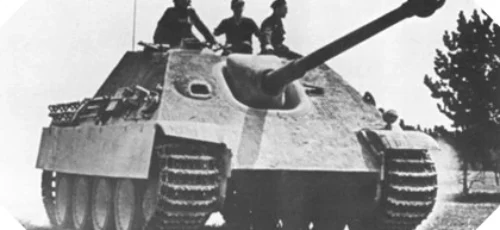
  • Sd.Kfz 173 Jagdpanzer V Jagdpanther
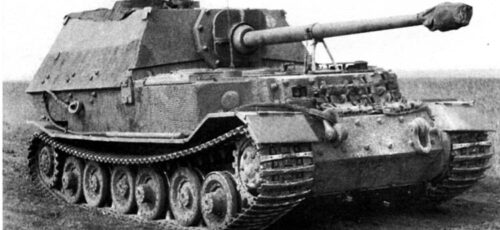
  • Sd.Kfz 184 Panzerjager Tiger (P) Elefant
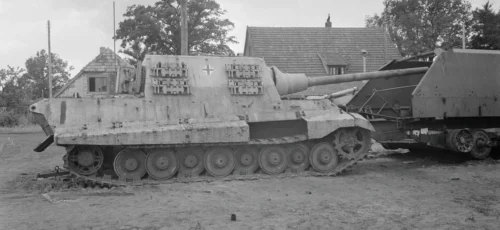
  • Sd.Kfz 186 Jagdpanzer VI Jagdtiger


  • Sd.Kfz 142 Sturmgeschutz
  • Sturmhaubtze 42
  • Sturm-Infanteriegeschutz 33B
  • Sd.Kfz 166 Brummbar
  • Sd.Kfz 167 Sturmgeschutz IV
  • Sturmtiger
  • 15cm sIG 33 (Sf)


  • Sd.Kfz 7/1 2cm FlaKvierling 38 L/112.5
  • Sd.Kfz 7/2 3.7cm FlaK 37 L/98
  • Sd.Kfz 10/4, Sd.Kfz 10/5
  • Flakpanzer 38(t)
  • Flakpanzer IV Mobelwagen
  • Flakpanzer IV Wirbelwind

  • Flakpanzer I
  • Flakpanzer IV Ostwind
  • Flakpanzer IV Kugelblitz


  • Sd.Kfz 165 Hummel
  • Sd.Kfz 138/1 Grille I/III
  • Wespe
  • Sd.Kfz 4/1 15cm Maultier
  • Karl-Gerat 60cm Morser Karl
  • Landkreuzer P.1500 Monster


  • Maultier
  • Schwerer Wehrmachtschlepper
  • Sd.Kfz 2 “Kettenkrad”
  • Sd.Kfz 3
  • Sd.Kfz 4
  • Sd.Kfz 6
  • Sd.Kfz 7

  • Sd.Kfz 10
  • Sd.Kfz 250
  • Sd.Kfz 251 Hanomag
  • Sd.Kfz 252
  • Sd.Kfz 253
  • Sd.Kfz 254


  • Sd.Kfz 221
  • Sd.Kfz 222
  • Sd.Kfz 223
  • Sd.Kfz 231
  • Sd.Kfz 232
  • Sd.Kfz 233

  • Sd.Kfz 234/1
  • Sd.Kfz 234/2
  • Sd.Kfz 234/3
  • Sd.Kfz 234/4
  • Steyr ADGZ

    Ordina per

    Panzer 35(t)

    • Anno:1939  
    • Nome e tipo: Panzerkampfwagen 35(t) 
    • Peso t.: 10,5  
    • Produzione: 434  
    • Velocità su strada Km/h: 34  
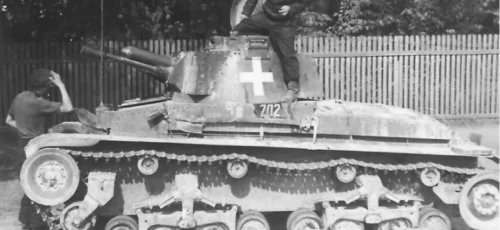
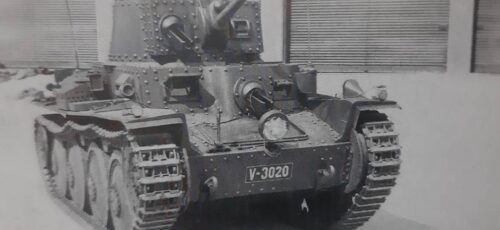
    Nel settembre 1939 il carro armato con cannone più numeroso della Wehrmacht non era tedesco ma cecoslovacco. Il Panzer 35(t) combatté in Polonia in Francia e in Russia finché non...

    Jagdpanzer 38 Hetzer

    • Anno:1944  
    • Nome e tipo: Jagdpanzer 38 (Sd.Kfz. 138/2) 
    • Peso t.: 16  
    • Produzione: 2.612  
    • Velocità su strada Km/h: 42  
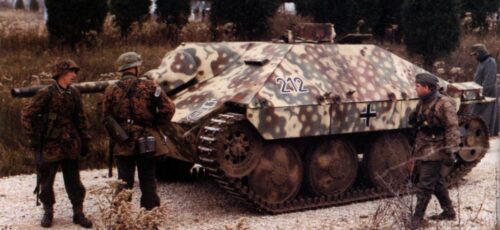
    Il Jagdpanzer 38, noto come Hetzer, nacque perché le gru dello stabilimento BMM di Praga sollevavano tredici tonnellate e uno Sturmgeschütz III ne pesava ventiquattro. Da quel vincolo uscirono 2.612...

    Sturmgeschütz III

    • Anno:1942  
    • Nome e tipo: Sturmgeschütz III Ausf. G 
    • Peso t.: 23,9  
    • Produzione: 11.300  
    • Velocità su strada Km/h: 40  
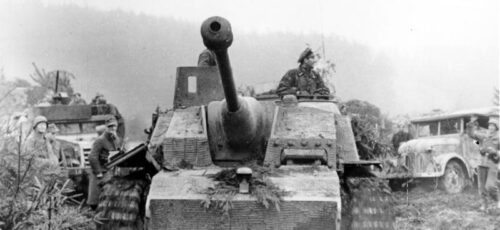
    Lo StuG III, il veicolo cingolato più prodotto dalla Germania, nacque come semovente d'assalto per la fanteria e divenne il più efficace cacciacarri della Wehrmacht.

    Marder III

    • Anno:1943  
    • Nome e tipo: Panzerjäger 38(t) Ausf. M (Sd.Kfz. 138) 
    • Peso t.: 11  
    • Produzione: 1.736  
    • Velocità su strada Km/h: 42  
    Tre mezzi diversi sotto un nome che i tedeschi non usavano quasi mai: il Marder III portò il PaK 40 sullo scafo del Panzer 38(t) in 1.736 esemplari.

    Panzer 38(t)

    • Anno:1941  
    • Nome e tipo: Panzerkampfwagen 38(t) Ausf. G 
    • Peso t.: 9,85  
    • Produzione: 1.414  
    • Velocità su strada Km/h: 42  
    Progettato a Praga e mai usato dall'esercito cecoslovacco, il Panzer 38(t) equipaggò le Panzer-Division fino al 1942 e il suo scafo sopravvisse al carro di cinquemila esemplari.

    Panzer I

    • Anno:1934  
    • Nome e tipo: Panzerkampfwagen I Ausf. A (Sd.Kfz. 101) 
    • Peso t.: 5,4  
    • Produzione: 1.659  
    • Velocità su strada Km/h: 37  
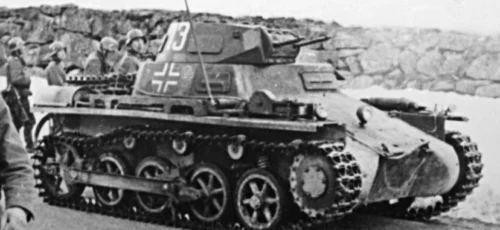
    Armato di sole mitragliatrici e protetto da 13 mm, il Panzer I si rivelò inadatto al combattimento fra carri già in Spagna nel 1936, e fu ugualmente il più numeroso...

    Wespe

    • Anno:1943  
    • Nome e tipo: Sd.Kfz.124 Wespe 
    • Peso t.: 11  
    • Produzione: 676  
    • Velocità su strada Km/h: 40  
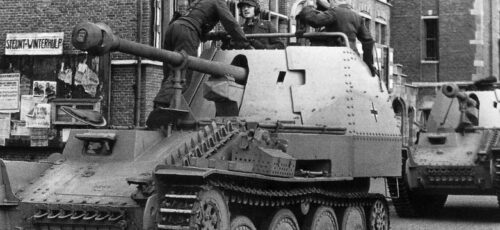
    Nato dallo stesso scafo del Marder II, il Wespe portò l'obice da 105 mm al seguito delle divisioni corazzate e ne soppiantò il fratello cacciacarri.

    Panzer II

    • Anno:1936  
    • Nome e tipo: Panzer II 
    • Peso t.: 9.5  
    • Produzione: 1906 - 2040  
    • Velocità su strada Km/h: 40  
    Progettato come ripiego in attesa di Panzer III e IV, il Panzer II fu il carro più numeroso delle prime campagne e sopravvisse alla propria obsolescenza come scafo donatore.

    Marder II

    • Anno:1942  
    • Nome e tipo: Marder II (Sd.Kfz. 131) 
    • Peso t.: 10.8  
    • Produzione: 852  
    • Velocità su strada Km/h: 40  
    Il più prodotto dei tre Marder, ricavato dallo scafo del Panzer II con un cannone da 75 mm in casamatta aperta, fu il ripiego anticarro tedesco costruito in maggior numero.

    Marder I

    • Anno:1942  
    • Nome e tipo: Marder I (7,5 cm PaK 40/1 auf Geschützwagen Lorraine Schlepper (f), Sd.Kfz. 135) 
    • Peso t.: 8.2  
    • Produzione: 170  
    • Velocità su strada Km/h: 38  
    Ultimo dei tre Marder a entrare in produzione, il Marder I nacque montando il cannone PaK 40 da 75 mm sui trattori d'artiglieria francesi Lorraine catturati nel 1940.
  • 1
  • 2